

Masonry, Brick, and Stone
for Monument Signs
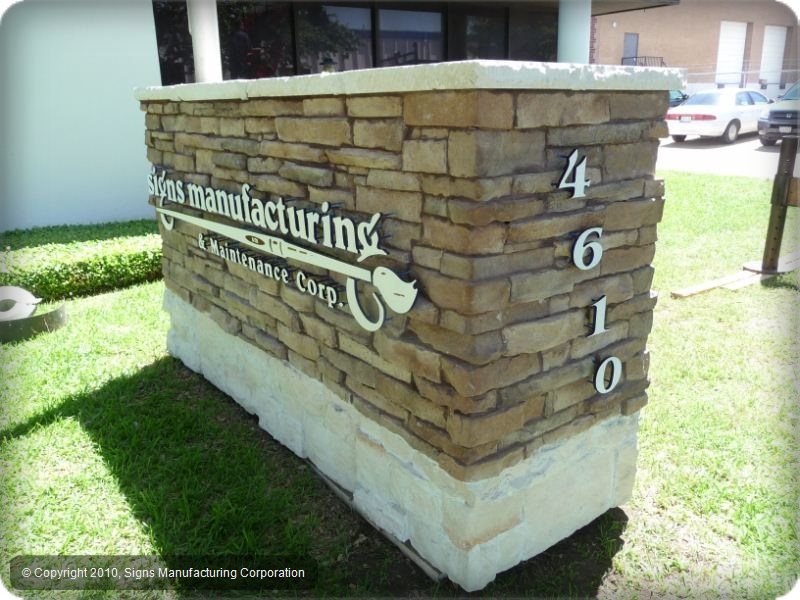 Many
cities, like Fort Worth now require that free-standing signs be covered in
masonry materials.
Many
cities, like Fort Worth now require that free-standing signs be covered in
masonry materials.
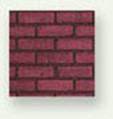
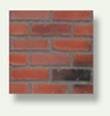
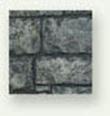
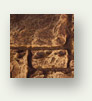
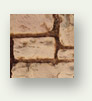
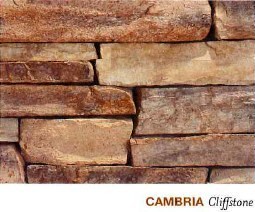
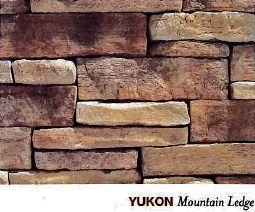
This can be accomplished with actual brick and mortar, faux stone panels installed over a metal framework, and with EIFS (signs built of foam and covered with fabric and stucco.)
Each method has its advantages and disadvantages.
Come to our Showroom and compare actual masonry to faux panels and EFIS.
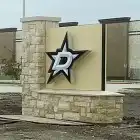
Stone Mason Foundations and Brickwork/Stonework
 We employ our own masons. We
often work with our customer's masons to install signs on brick or masonry
columns. Often we install the sign and the mason places his stonework
around the sign.
We employ our own masons. We
often work with our customer's masons to install signs on brick or masonry
columns. Often we install the sign and the mason places his stonework
around the sign.
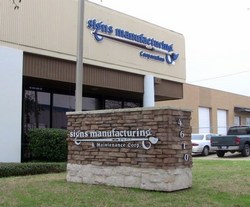
However, we employ our own masons to totally construct turn-key signs. This is usually much more convenient for our customers because we are totally responsible for engineering, permitting, manufacturing and installing the signs. We procure the stone. We form the foundation.
Have you ever noticed all the unleveled signs, and signs with cracks or stones falling off? We recognize that the foundation of a good sign is a good foundation. We routinely form our masonry foundation three-times thicker than most, and incorporate pier-holes at each corner. With signs, image is everything.
Maybe the most important aspect of a sign built with actual brick and mortar is that it is easily repairable. Things seem to happen to commercial signs in parking lots.
Maybe the most important positive realization of a customer that had us totally construct their sign is that we know what we are doing and the sign can later be serviced. Unlike many, we do not close-off the ability to later service the sign when we install the brick-work!
Faux Stone and Brick
Sometimes, though, it is too costly, impossible, or dangerous to cover a sign cabinet with masonry. Particularly if it is tall.
Even most buildings are finished with faux stone above the first floor.
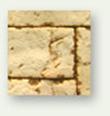
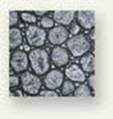
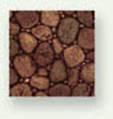
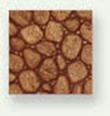
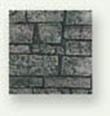
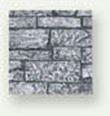
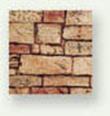
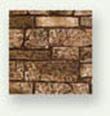
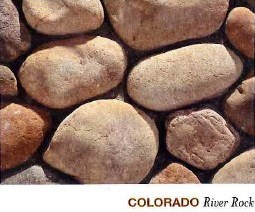
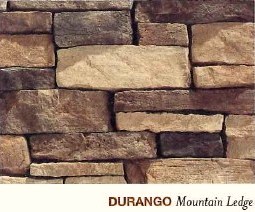
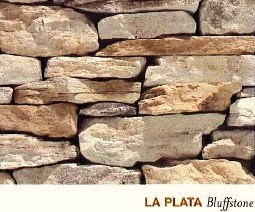
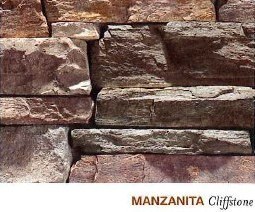
We have the ability to manufacture the sign with a stucco, brick, stone, or aggregate exterior faux finish that will fool a mason.
It is strong, durable, weatherproof, and meets fire code.
It is installed over a metal frame, engineered to withstand a 100 mph wind.
It, too, is repairable. However, repairs are more involved and usually more expensive.
Mowing pads must be significant because weed-eaters and lawn-mowers can damage faux panels.
|
|
EIFS System Foam Signs
Many cities will not allow these types of signs, however, because they do not engineer to withstand even a 100 mph wind. They have even been known to blow away. Most foams do not meet fire code. They are not repairable for any significant damage (bumped into by a car.) They have to be replaced, making them VERY expensive in total cost. If the EIFS-type covering is damaged, the underlying foam will conduct electricity when wet, grow mold, and deteriorate.
Birds break the EIFS-type covering and remove the
foam for nesting materials. Sunlight causes the foam to degrade over time. The signs can be, and are stolen. Mowing pads must be significant because weed-eaters and lawn-mowers damage the sign. However, it is easily installed over a simple metal pipe, and can easily be moved. We do not manufacture them unless they meet our customer's very specific needs. |
|||||||||||||||||||||||||||||||||||||||||||||||||||||||||||||||||||||||||||||||||||||||||||||||||

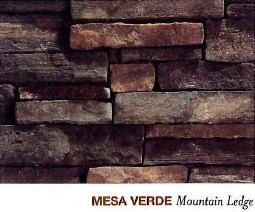
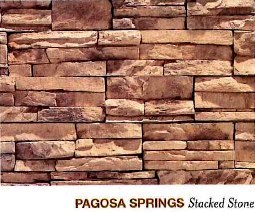
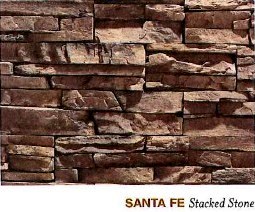
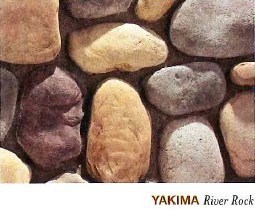
 The cheapest (literally) and fastest way to
manufacture a sign is to carve it out of a block of foam (insert an enclosed
electrical sign in it) and cover it with an EIFS-like system (fabric impregnated
and covered with a stucco-like coating.)
The cheapest (literally) and fastest way to
manufacture a sign is to carve it out of a block of foam (insert an enclosed
electrical sign in it) and cover it with an EIFS-like system (fabric impregnated
and covered with a stucco-like coating.)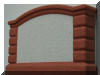
Literature
We believe we are the only sign company that offers informative literature on signage, our "Sign Buyer's Guide" series.
Our most popular Guides are:
52 Page Brochure
44 Page Brochure
40 Page Brochure
40 Page Brochure
40 Page Brochure
40 Page Brochure

Also Available
Also Available
 |
|
 |
104 Product Videos |