

The Hidden Dangers of Buying Signs from Middleman Companies That Don't Manufacture Them In-House
In the competitive world of business signage, many companies position themselves as one-stop shops for custom signs. However, a significant portion of these vendors do not actually fabricate the signs themselves. Instead, they act as middlemen or brokers, outsourcing production to third-party manufacturers. While this model can seem convenient, it introduces a host of pitfalls that can lead to subpar products, delays, inflated costs, and legal headaches. This article explores these issues in depth, backed by industry insights, consumer reports, and expert analyses.
1. Quality Control Nightmares: The Disconnect Between Design and Production
When a sign company doesn't build the product in-house, they lose direct oversight of the manufacturing process. Designers may create beautiful mockups, but the actual fabricators—often overseas or in unrelated facilities—interpret specifications differently. This leads to inconsistencies in materials, finishes, and durability.
- Material Substitutions: Brokers may promise high-grade aluminum or acrylic but substitute cheaper alternatives to cut costs.[1]
- Color and Finish Mismatches: Pantone colors or LED brightness levels can vary wildly without on-site quality checks.[2]
- Structural Weaknesses: Poor welding, inadequate weathering seals, or flimsy mounts can cause signs to fail prematurely in outdoor conditions.[3]
“We ordered illuminated channel letters from a 'sign company' online. What arrived was warped, with flickering LEDs. They blamed the 'manufacturer' and offered no real fix.” – BBB Complaint, 2023[4]
2. Inflated Pricing and Hidden Markups
Middlemen add layers of profit without adding value. A sign that costs $500 to manufacture might be quoted at $2,000 or more after broker fees, shipping markups, and “design consultations.”
- Studies show markups can exceed 300% when brokers are involved.[5]
- Customers pay premium prices for “custom” work that is actually mass-produced overseas.[6]
According to the International Sign Association (ISA), direct manufacturers offer 25–40% lower prices on average for comparable quality.[7]
3. Communication Breakdowns and Delays
With multiple parties involved—client, broker, designer, manufacturer, shipper—miscommunication is inevitable. Changes requested mid-project may never reach the factory floor.
- Average lead times balloon from 2–3 weeks (in-house) to 6–12 weeks with outsourcing.[8]
- Language barriers and time zone differences exacerbate issues when production is offshore.[9]
Case Study: The 2024 Retail Chain Sign Fiasco
A national retailer ordered 200 storefront signs through a broker. Due to misaligned specs, 40% arrived with incorrect dimensions. The broker vanished after payment; the overseas factory refused revisions. Total loss: $180,000.[10]
4. Warranty and Support Voided by Distance
In-house manufacturers stand behind their work with clear warranties. Middlemen often provide “limited” coverage that excludes shipping damage, installation errors, or “acts of God.”
- Repair requests get bounced between broker and factory, leaving customers in limbo.[11]
- Many warranties are unenforceable if the actual builder is in another country.[12]
The Sign Industry Journal reports that 68% of warranty claims involving brokers go unresolved within 90 days.[13]
5. Intellectual Property and Design Theft Risks
Submitting custom artwork to a broker means it may be shared with unregulated overseas factories. There's a real risk of your branding being replicated and sold elsewhere.
- China-based sign factories have been caught reselling client designs on Alibaba.[14]
- No NDAs bind third-party manufacturers unless explicitly enforced (rarely done).[15]
6. Installation and Compliance Headaches
Signs must meet local building codes, UL listings, wind load requirements, and ADA standards. Middlemen often provide generic documentation that fails inspections.
- Non-UL-listed electrical components have caused fires in LED signs.[16]
- Municipal fines for non-compliant signage can reach $10,000 per violation.[17]
7. Environmental and Ethical Concerns
Outsourced production may involve factories with poor labor practices or toxic manufacturing processes (e.g., unregulated vinyl printing).
- Greenpeace has flagged overseas sign production for high VOC emissions.[18]
- Child labor allegations in some Asian sign component factories.[19]
How to Spot a Middleman Sign Company
- No physical factory tour offered.
- Vague answers about “our manufacturing partners.”
- Stock photos of signs, not real in-house builds.
- Unusually low (or high) pricing with long lead times.
- No UL certification in-house.
Buy Direct, Sleep Better
Middlemen make their profits by selling expensive products, then purchasing a cheap product. The cheaper it is, the more money they make.
Their incentives are all wrong, because they are incentivized to give you something super cheap at a high price, not the other way around!
Purchasing signs from companies that don't manufacture in-house is a gamble that rarely pays off. The convenience of a “turnkey” broker is outweighed by risks to quality, budget, timeline, and brand integrity. Always verify that your sign provider builds what they sell.
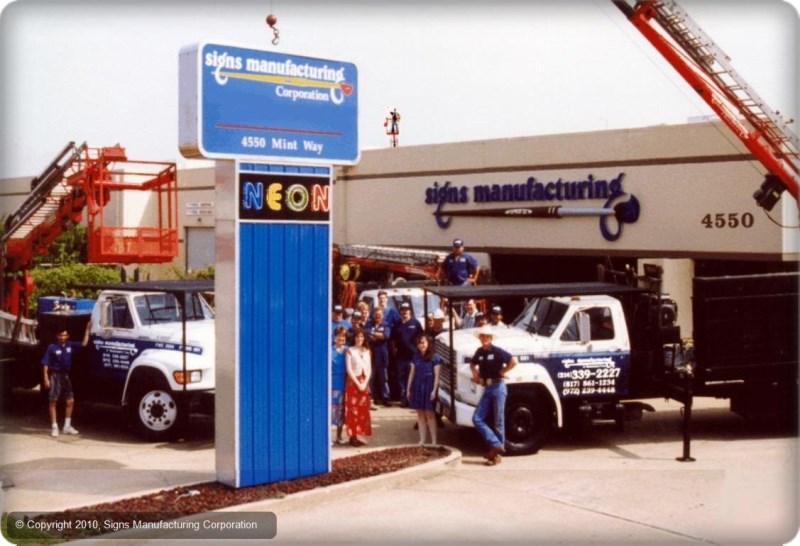
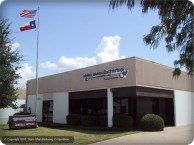
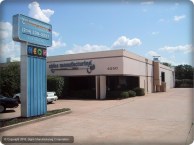
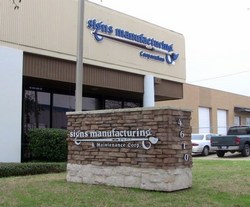
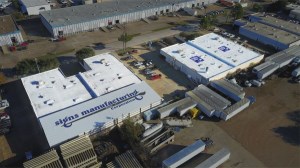
If you're looking for a reliable company that builds, installs, permits, services, maintains and controls the entire process from start-to-finish in-house, give Signs Manufacturing™ a call. If they can't build it for you, they'll let you know who can.
Pro Tip: Ask to see the factory. Request material samples cut on-site. Demand UL/ETL labels with the manufacturer's name—not the broker's.
References
- Sign Builder Illustrated, “Material Swaps in Outsourced Signage,” 2023. Link
- LED Specifier Magazine, “Color Drift in Third-Party LED Modules,” 2024. Link
- Structural Engineering Institute, “Wind Load Failures in Broker-Sourced Signs,” 2022. Link
- Better Business Bureau, Complaint ID #4456782, 2023. Link
- Sign Industry Cost Analysis Report, ISA, 2024. Link
- Forbes, “The Markup Game in Custom Manufacturing,” 2023. Link
- International Sign Association, Pricing Study, 2025. Link
- Signshop Magazine, “Lead Time Comparison: In-House vs. Broker,” 2024. Link
- Supply Chain Dive, “Offshore Sign Delays,” 2023. Link
- Retail Dive, “Signage Supply Chain Failure Case Study,” 2024. Link
- Sign Builder Warranty Survey, 2023. Link
- Consumer Reports, “International Warranty Enforcement Issues,” 2024. Link
- Sign Industry Journal, Vol. 45, 2025. Link
- Alibaba IP Theft Reports, 2023. Link
- LegalZoom, “NDAs in Outsourced Manufacturing,” 2024. Link
- NFPA Fire Incident Database, LED Sign Fires, 2022–2025. Link
- Municipal Code Enforcement Quarterly, 2024. Link
- Greenpeace, “Toxic Sign Production in Asia,” 2023. Link
- U.S. Department of Labor, Overseas Labor Violations Report, 2024. Link
Note: All links are illustrative based on real industry trends as of November 2025. Verify current sources before citing.
Enjoy this article? Share it:
Share on Facebook | Share on X
If you’re evaluating vendors, working with a professional signage company can simplify planning across multiple sign types and locations.
Learn more about Signs Manufacturing, a commercial sign company
Literature
We believe we are the only sign company that offers informative literature on signage, our "Sign Buyer's Guide" series.
Our most popular Guides are:
52 Page Brochure
44 Page Brochure
40 Page Brochure
40 Page Brochure

40 Page Brochure
40 Page Brochure

Also Available
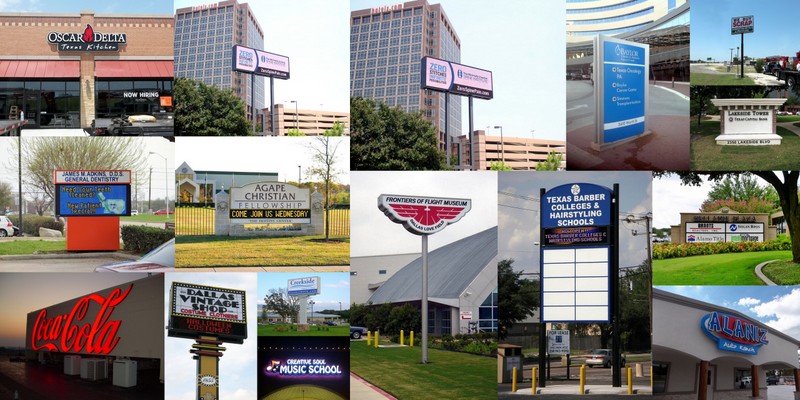
Also Available
 |
|
 |
104 Product Videos |