

The Critical Importance of Licensing, Training, and Experience in Signage and Electrical Work Companies
In the specialized field where signage meets electrical engineering, the stakes are exceptionally high. Illuminated signs, LED displays, and neon installations combine structural, aesthetic, and electrical components that must function safely and reliably. Companies performing this work without proper licensing, training, and experience risk public safety, legal liability, financial loss, and reputational damage. This article examines why these three pillars are non-negotiable for any reputable signage and electrical contractor.
1. Licensing: The Legal Foundation of Competence and Accountability
Licensing serves as the government’s mechanism to ensure minimum standards of safety and professionalism. In the United States, electrical work—including signage that requires high-voltage connections—is regulated at both state and local levels.
- National Electrical Code (NEC): Published by the National Fire Protection Association (NFPA), the NEC is adopted by most jurisdictions and governs safe electrical design, installation, and inspection (NFPA 70, 2023 Edition).
- State Contractor Boards: For example, the California Contractors State License Board (CSLB) requires a C-45 Electrical Sign Contractor specialty license for businesses installing electric signs (CSLB C-45 Classification).
- Municipal Permits: Cities like New York require sign erectors to be licensed by the Department of Buildings and comply with Local Law 33 for illuminated signage.
Operating without proper licensing can result in:
- Stop-work orders and fines up to $25,000 per violation (California Labor Code § 108).
- Invalidated insurance claims, leaving companies fully liable for accidents.
- Criminal charges in cases of injury or death due to negligence.
2. Training: Bridging Theory and Safe Practice
Even licensed contractors must maintain rigorous training programs. Electrical signage involves unique hazards: high voltage, elevated work platforms, and integration with building management systems.
Essential Training Certifications
| Certification | Issuing Body | Key Topics | Renewal |
|---|---|---|---|
| OSHA 10/30-Hour Construction | U.S. Department of Labor | Fall protection, electrical safety, scaffolding | Recommended every 5 years |
| NFPA 70E Electrical Safety | NFPA | Arc flash, lockout/tagout, PPE | Every 3 years |
| ISA Certified Sign Electrician | International Sign Association (ISA) | UL 48 standards, neon transformer installation | Every 3 years |
| ETCP Electrician Certification | Entertainment Technician Certification Program | Temporary power, rigging for signs | Every 5 years |
Case study: A 2022 incident in Las Vegas saw an unlicensed crew improperly ground an LED pylon, resulting in a fire that caused $1.2 million in damage. The company lacked OSHA-trained personnel and was cited for multiple willful violations.
3. Experience: The Difference Between Compliance and Excellence
Licensing and training provide the minimum standard. Experience transforms competent technicians into masters capable of solving complex, real-world challenges.
Why Experience Matters
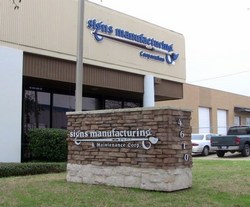
- Code Interpretation: Experienced electricians understand local amendments to the NEC. For instance, Chicago’s Electrical Code has unique requirements for sign circuits in historic districts. Quality sign companies like Signs Manufacturing™ understand this and can navigate those troubled waters for you.
- Integration Complexity: Modern signs interface with DMX lighting controls, IoT sensors, and building automation systems. Only seasoned teams can ensure compatibility without creating EMI or ground loop issues.
- Crisis Response: During Super Bowl LVII, a veteran signage crew in Phoenix resolved a 34.5kV transformer failure in under 90 minutes—preventing a blackout of the stadium’s perimeter displays (Sign Builder Illustrated, March 2023).
Quantifying Experience
Reputable firms track:
- Project Hours: Lead electricians with 10,000+ hours in signage-specific work.
- UL Listings: Experience installing UL 48-compliant components.
- Insurance Loss Ratio: Firms with <0.5 incidents per 100,000 labor hours demonstrate superior risk management.
Consequences of Cutting Corners: Real-World Failures
- 2019 Times Square Sign Collapse: An unlicensed contractor used improper anchors. Result: 1 fatality, $14 million settlement (NY Daily News).
- 2021 UK Neon Sign Fire: Lack of GFCI protection caused a short circuit in damp conditions. Fire destroyed a listed building (BBC News).
- 2023 California LED Retrofit Disaster: Untrained workers cross-phased LED drivers, causing $800,000 in damage to a hotel façade (LEDs Magazine).
Best Practices for Clients Hiring Signage & Electrical Contractors
- Verify active state contractor license via CSLB License Check or equivalent.
- Request certificates for OSHA, NFPA 70E, and ISA training.
- Ask for project logs showing 5+ years of similar installations.
- Confirm $2M+ general liability and workers’ comp insurance.
- Require UL field evaluation reports for custom signs (UL Field Evaluation).
Conclusion
Licensing, training, and experience are not bureaucratic hurdles—they are the triad that prevents catastrophe. The signage and electrical industry powers the visual identity of cities worldwide, but only when executed by qualified professionals. Property owners, architects, and municipalities must demand documentation at every stage. As technology evolves—with micro-LEDs, kinetic displays, and 48V DC systems on the horizon—the need for rigorous standards will only increase.
Cut corners on credentials, and you gamble with lives, livelihoods, and legacies.
References & Further Reading
- NFPA 70 National Electrical Code
- International Sign Association Certification Programs
- OSHA Electrical Safety Standards
- UL 48 Standard for Electric Signs
- California Contractors State License Board
- International Association of Electrical Inspectors
- NECA National Electrical Installation Standards
- Electrical Contractor Magazine Archives
Enjoy this article? Share it:
Share on Facebook | Share on X
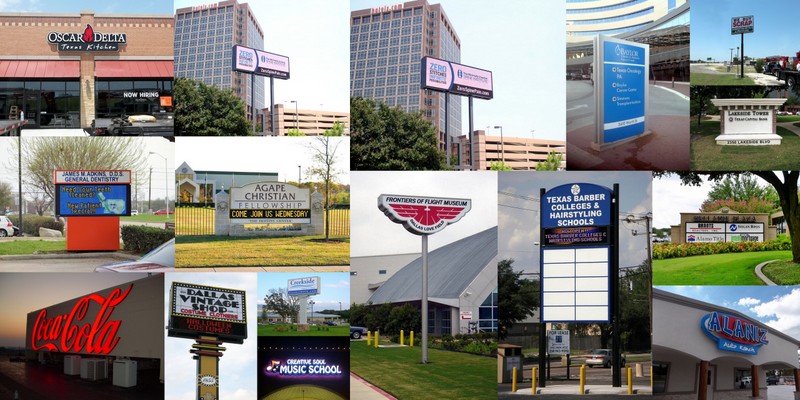
If you’re evaluating vendors, working with a professional signage company can simplify planning across multiple sign types and locations.
Learn more about Signs Manufacturing, a commercial sign company
Literature
We believe we are the only sign company that offers informative literature on signage, our "Sign Buyer's Guide" series.
Our most popular Guides are:
52 Page Brochure

44 Page Brochure

40 Page Brochure

40 Page Brochure

40 Page Brochure
40 Page Brochure

Also Available
Also Available
 |
|
 |
104 Product Videos |